Table Of Content

Upgrade your life with a daily dose of the biggest tech news, lifestyle hacks and our curated analysis. Be the first to know about cutting-edge gadgets and the hottest deals. If you make it, you will be able to see the water that is pulled out of the air, which makes it a fun science project. It is very affordable and can have a significant impact for up to three months before it needs to be replaced. First, don’t think it has to be opened all the way–a nice crack will do.
Spring Home Maintenance Checklist
Rising humidity levels in your home can come from a number of different sources. Everyday activities such as cooking, showering, doing laundry and washing dishes all contribute to the moisture in the air. Excessive allergies and asthma, as well as mold and dust mites, can be signs that the humidity level inside your home is too high. Also, if you notice condensation on windows or walls, the indoor humidity is likely too high. Whole-home dehumidifiers are dehumidifiers that attach to your HVAC system, and they have a built-in hygrometer that measures humidity levels in your home.
How to Get Rid of Condensation on Windows - Architectural Digest
How to Get Rid of Condensation on Windows.
Posted: Tue, 06 Feb 2024 08:00:00 GMT [source]
What is the Ideal Indoor Humidity Level in Summer?
"Adding a whole home energy recovery ventilator or heat recovery ventilator to control ventilation can greatly help with humidity levels and indoor air quality," says Stack. These systems use fans to maintain a balanced airflow into the house while exhausting stale indoor air. High humidity levels are a problem in many US homes, especially during hot summer months. And all that heavy, moist air can lead to some really unpleasant problems—like mold growth, poor indoor air quality, and wood rot.
Reducing Indoor Humidity When Outdoor Humidity Is High

A tight, energy efficient house holds more moisture inside; you may need to run a kitchen or bath ventilating fan sometimes, or open a window briefly. Storm windows and caulking around windows keep the interior glass warmer and reduce condensation of moisture there. Moisture condenses into water droplets when warm, humid air contacts a cool surface, such as uninsulated cold-water pipes.
That’s why it’s important to monitor humidity year-round and take steps to control it. You’ll actually have to use your air conditioner a lot less, because it now has help keeping humidity levels low. Prioritise windows on the side of the house which suffers most of high humidity levels, such as the kitchen and bathroom.
This Is Where to Place Air Purifiers in Your Home for Maximum Benefit
Excess humidity can cause significant damage to your home and health, so the less of it the better. "Mold, viruses, and bacteria all thrive in high humidity," says Brian Stack, the president of Stack Heating, Cooling and Electric. Damage to wood floors, furniture, paint, wallpaper, and valuables (like photos and important documents) can occur when too much humidity is present in the home. It can also have adverse effects for anyone with allergies or a respiratory condition. From the growth and spreading of mold to damaging the structural integrity of your home, there are many reasons to lower humidity. However, once your windows become drafty and moisture starts to build up in between the panes, you need to replace them.
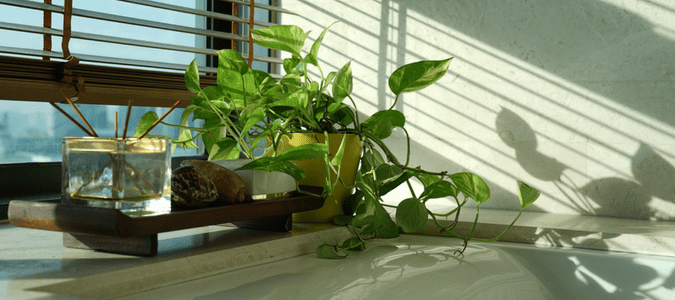
Excessive moisture will raise the humidity level of your indoor air. Keeping your indoor surfaces dry directly reduces the source of moisture that contributes to indoor humidity. Therefore, you’ll notice a noticeable difference by wiping down and drying these surfaces regularly.
Here’s Why You Should Crack a Window in Your House Year-Round
Stick some briquettes in a basket and place them around the home, and you they will ultimately absorb some of the moisture that’s in the air. You might also try this with bags of rice or other products that share this quality. While running the bathroom vent will expel some humidity, a better solution might be to rethink your showering habits. As bad as it sounds, taking colder and shorter showers can be beneficial for both your home and your body. You will generate far less steam, and you’ll, more or less, eliminate one source of humidity in the home. The following are some effective ways to manage indoor humidity so that you can enjoy greater comfort for the long term.
Seal any potential leaks
To remove dust from the outside of your bathroom fan, you can vacuum it with a soft brush attachment. Humid air leads to condensation problems, but air that’s too dry can be uncomfortable or unhealthy and can lead to static shocks. You can purchase a moisture meter to measure indoor humidity levels. Humidifiers are not recommended for use in buildings without proper vapor barriers because of potential damage from moisture buildup. Consult a building contractor to determine the adequacy of the vapor barrier in your house. Use a humidity indicator to measure the relative humidity in your house.
Signs of leaks include stained drywall, wet spots, and irregular water bills. We love hot showers as much as the next person, but they are the enemy of home comfort in this scenario. On the other hand, air that doesn’t have enough humidity also triggers allergies, asthma, and can damage wood floors. You’re hot, sweaty, uncomfortable, and all around miserable when it’s too humid in your home. Much like windows, however, once a door starts to fail, your best option is replacement. Be sure to limit the amount of plants in your house or switch between having some outside and inside.
They can add moisture when your home is too dry, and they will dehumidify when humidity levels exceed a certain percentage. Another surefire way to reduce humidity is to run the air conditioner. Your air conditioner will filter out moisture and pump crisp, clean air into the home, and you can achieve similar results by opening your windows on a cold, winter afternoon.
"Warm air can progressively carry much more humidity compared to colder air. Humidity is also added by everyday activities in the house/space, cooking, showering, from plants, etc." A chore you should do at least twice annually, regardless of humidity, keeping your gutters clean may reduce humidity levels in your home. "If your gutters are not draining properly around your home, you can have increased humidity around your foundation walls," says Martin. In addition to keeping them clean, you also want to ensure your gutters are working correctly—water should always be directed away from your home's foundation. One of the biggest ways to combat high humidity levels is to make sure your home is well ventilated. Areas like the kitchen and bathroom experience the most moisture so it’s imperative to have proper ventilation in those areas.
To counteract this unintentional sabotage, start by cleaning your gutters. Gutters can lead to indoor humidity if they are clogged and result in leaks and high concentrations of humidity, or if the downspout faces into the home. This may mean refraining from long, hot showers, opting for no-cook meals, and running heat-producing appliances like the washing, drying, and dish-washer machines less often. Try taking refreshing, cool showers and hang-drying your laundry outside. Dry clothes outside whenever possible, though if you must dry clothes indoors, use a drying rack or clothes airer in a well-ventilated room." Just make sure that you don't increase the humidity level too much, so you have to deal with high humidity problems.
Dehumidifier Guide: How It Works And Our Top Picks Weather.com - The Weather Channel
Dehumidifier Guide: How It Works And Our Top Picks Weather.com.
Posted: Tue, 02 Apr 2024 07:00:00 GMT [source]
Turn on your oven and bathroom fans to promote air circulation and filtration. Learn more about what it means to have low humidity in your house. The space inside your home can usually be considered a controlled environment, where you can raise or lower the temperature by adjusting the thermostat. A standard furnace heats the air and then distributes it throughout the home, but the warming process dries the air and removes humidity. If your house has too little humidity during the winter months, switchning from a forced-air heating system to radiant heat (photo, above) will keep the air from drying out.



No comments:
Post a Comment