Table Of Content
Varicosities usually recede about 6 weeks after childbirth. They do often reoccur with any subsequent pregnancies, though. Fordyce spots, or sebaceous glands, are small white or yellow-white bumps inside the vulva. The bumps and ridges on the surface of your vagina are called rugae.
Olive oil and sugar scrub for razor bumps on pubic area
There’s a lot of stigma around this diagnosis, but herpes is not the end of your life—sexual or otherwise. More than one out of every six people aged 14 to 49 years old have it, according to the CDC8. Tons of people don’t know they have genital herpes because it’s often asymptomatic. But when genital herpes does show up, it sometimes does so in the form of irritating bumps that can look like pimples. “Herpes can cause blisters and little pustules, but what usually brings someone with herpes into my office is the pain,” Dr. Dweck says.
Treatment options
Although genital folliculitis may be a bit painful, you can easily prevent it and treat it at home. Without prompt attention, however, an infected follicle can develop into a genital abscess, which will need medical attention. If you have an STI or suspect you do, reach out to a healthcare professional for testing. Starting STI treatment early can reduce your risk of any complications.
How is a Bartholin cyst diagnosed?
The vagina is actually the internal canal that leads to the reproductive organs. So, chances are, if you're seeing something unusual, it's on your vulva as opposed to your vagina. No matter what that bump on your vaginal area may look like, don’t convince yourself it’s probably harmless if you’re truly uncomfortable with it. If it is something that needs treatment, a doctor can walk you through your options.
And as all the ob-gyns we spoke to have said, even if it’s no big deal, doctors are more than happy to check you out and put your mind at ease. They can properly diagnose genital sores and recommend an appropriate course of treatment. A healthcare provider may prescribe creams, apply a chemical in-office, or recommend surgery to treat genital warts. Vaginal bumps will resolve and typically go away on their own. You might require oral or topical antibiotics if you have an infection. Read on to learn about bumps in the vaginal area, including what causes them and what to do if you notice one.
5 Causes for Bumps Near Your VaginaHelloGiggles - HelloGiggles
5 Causes for Bumps Near Your VaginaHelloGiggles.
Posted: Tue, 18 May 2021 07:00:00 GMT [source]
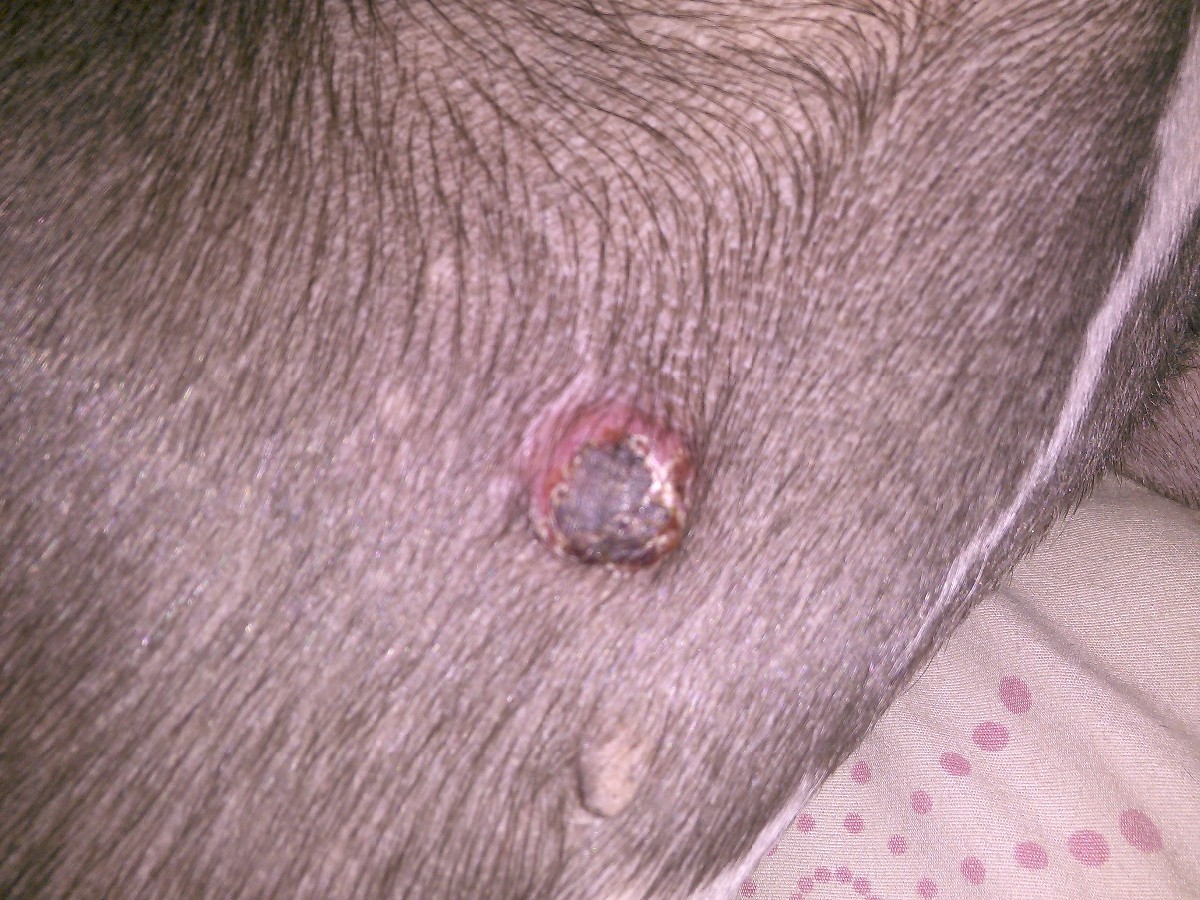
If you’ve ever morphed into a (panicked) Dr. Google, issues with your vagina probably tops your list of whys. There’s currently no cure for genital warts, but a doctor can remove them by using a prescription cream, laser, or surgery. If your skin tags are bothersome, a doctor can remove them surgically or with a laser. Cysts vary in size, but most feel like small, hard lumps. They aren’t usually painful unless they become infected. They can be harmless or a sign of an underlying condition that requires medical attention.
How it differs from STIs
Many can be normal lumps, but if they are itchy or painful, you need treatment ASAP. Vaginal inclusion cysts are the most common type of vaginal cyst. They sometimes form after childbirth or injury to the vagina. Wearing looser clothes and breathable fabrics like cotton around your vaginal region can let the area breathe a little more, reducing your chance of clogged pores. There is no one-size-fits-all treatment for bumps near the vagina, but there are certain steps you can take depending on what the underlying cause of your lumps may be.
Some claims about home remedies for boils that people find online may not have any evidence to prove they are safe or effective. Some may negatively affect the vulva’s pH level or healthy bacteria, which could raise the risk of future infections. Most boils occur due to infections of Staphylococcus aureus bacteria. This bacteria lives on the skin without causing problems in most people. An ingrown hair is a place where hair has gotten trapped under the skin.
About This Article
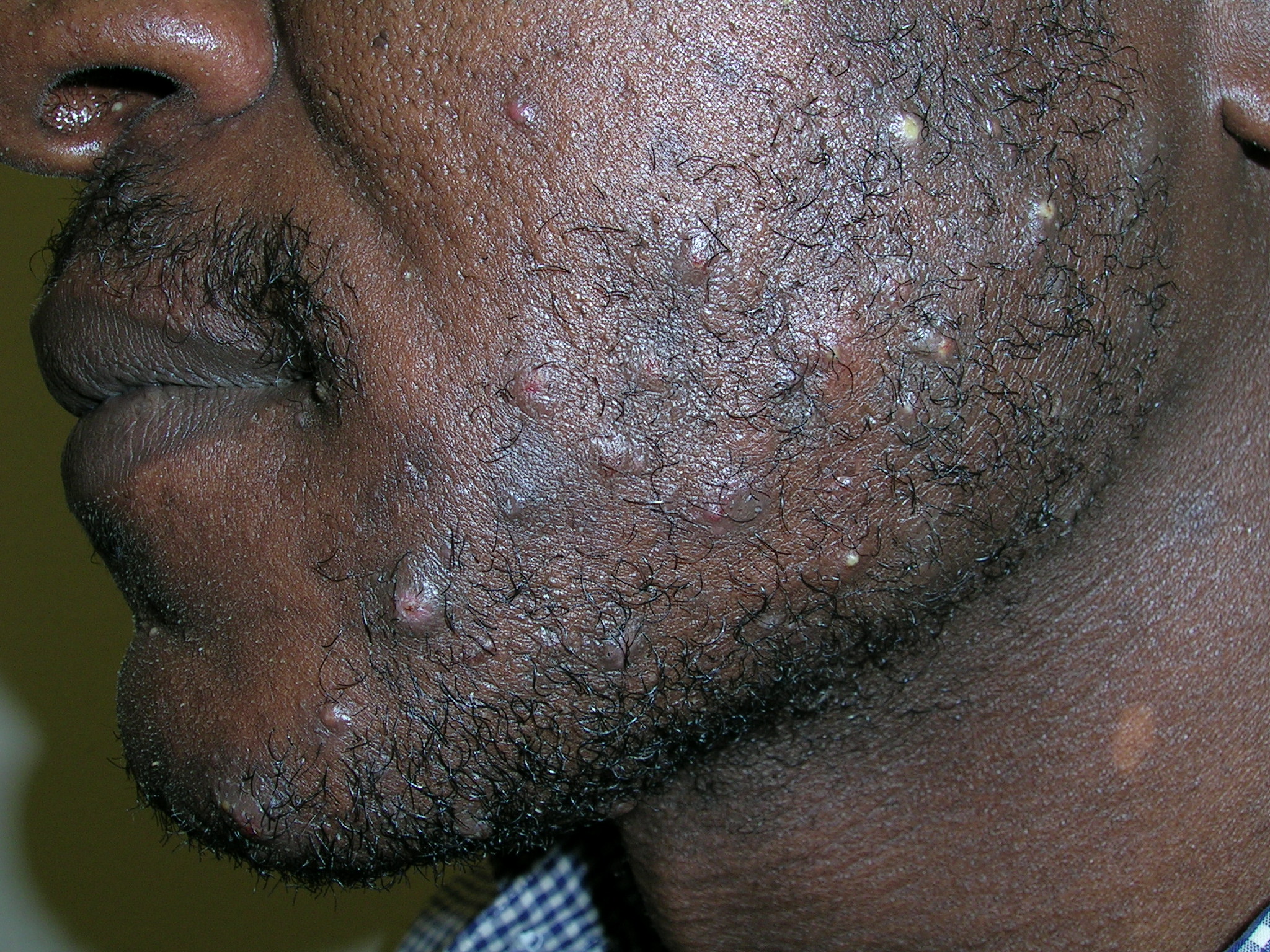
The blisters often look like little pimples on a red base, and they can be extremely uncomfortable. These small, red bumps can occur anywhere on the skin where you have hair if something clogs or infects a hair follicle. One of the most common causes of folliculitis is Staphylococcus (staph) bacteria.
They’re like folds or pleats of extra tissue when your vagina is relaxed. During sex or childbirth, rugae enable your vagina to expand. When people refer to the vagina, they’re often referring to both the internal organ (the vagina) and external genitalia, known as the vulva. Your vagina is a self-cleaning oven, but you’ll still want to make sure you regularly rinse the vulva with plain water or water and mild soap, Dr. Greves says.
You might be curious as to how bacteria can get into your hair follicles in the first place. If you choose to remove the hair on your vulva (by shaving or waxing, for example), it can irritate your hair follicles. Similarly, getting in a hot tub and sweating could irritate your hair follicles and allow bacteria that normally live on your skin to get inside them.
Applying a warm compress several times a day to the area is the best way to get rid of a vaginal boil. Your healthcare provider will diagnose a boil on the skin in your pubic area after a physical exam. This should not cause any pain and will be relatively quick. Most of the time, a boil will resolve without any medical intervention. If the infection is severe or causes a lot of pain, you may need to have the boil drained or your provider may prescribe an antibiotic. Genital folliculitis is generally mild and easily preventable with proper hygiene and care.
A boil typically clears up on its own in one to three weeks. In severe cases, your doctor may lance, or cut, a boil to drain the infection. Hormone shifts and imbalances due to menstruation (getting your period) can cause vaginal dryness and other symptoms. It does not appear that this can cause a Bartholin cyst.
In general, Dr. Greves says that you should get any new, unusual, or persistent bumps near your vagina checked out by your ob-gyn, just to be safe. By now, you’ve probably dealt with some kind of bump on your face. That can understandably feel a little more confusing and unsettling.
Common sexually transmitted infections (STIs), including HSV-2, can be shared through sexual contact, including vaginal, anal, or oral sex. Keeping the area clean and using warm compresses or sitz baths may help smaller boils heal on their own. For larger boils with more severe symptoms, a doctor may need to make an incision to help it drain. Larger boils, or clusters of boils known as carbuncles, may require medical treatment to heal. Rarely, boils can result in a deeper skin infection known as cellulitis, but this is uncommon.
This article explains what causes vaginal boils, home remedies for helping them heal, medical treatments, and how to prevent them. Treatment for ingrown hair cysts varies depending on the type of cyst involved. Some cysts may need to be treated with antibiotic ointment or surgery, while others may not need any treatment at all.



No comments:
Post a Comment